 Re'Mi Music
Journal
Sound Stories
Stories from the world of sound and acoustics: how sound behaves in rooms and spaces, recording and sound design, and the science behind what we hear.
A steadier way of hearing
A good ear may be less about hearing more and more about hearing the same sound steadily, and practice may help with that.
Read the story →The noise we don't notice
A soundscape is part of a habitat, and we're only beginning to learn how much it matters.
Read the story →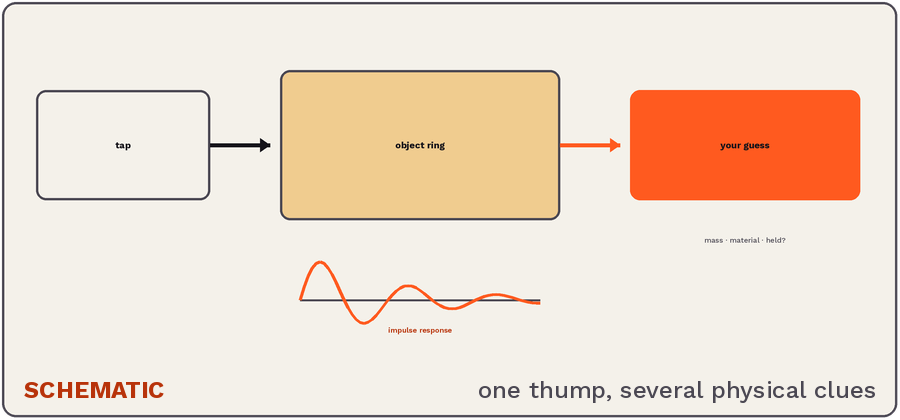
The physics your ears already know
Your ears aren't only hearing a thump. They're using what you've learned about how the world rings.
Read the story →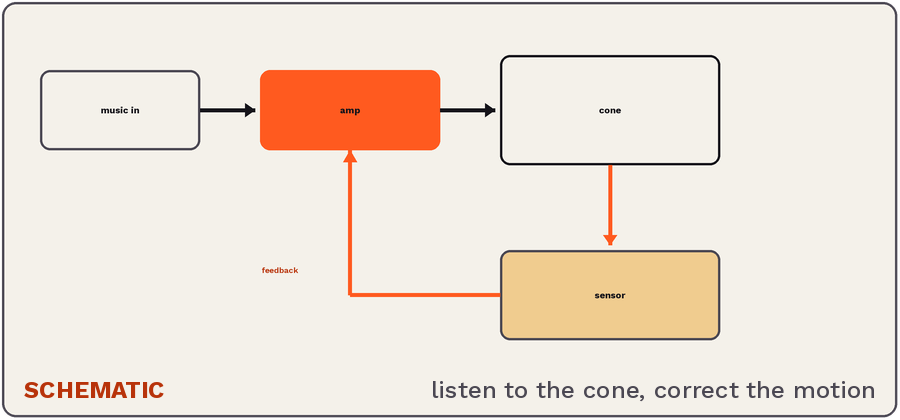
When the cone tells on itself
EQ reshapes the request. Listening to the cone reshapes the answer.
Read the story →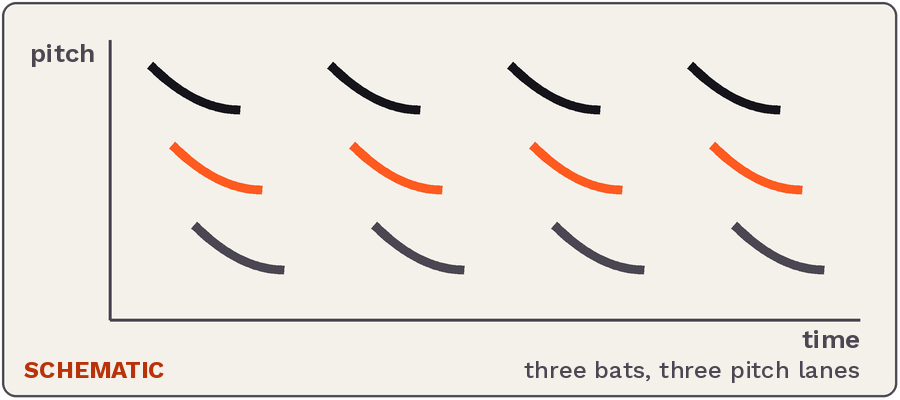
Bats, and the art of not stepping on each other
Sometimes a good mix doesn't need a mixer, just good listening.
Read the story →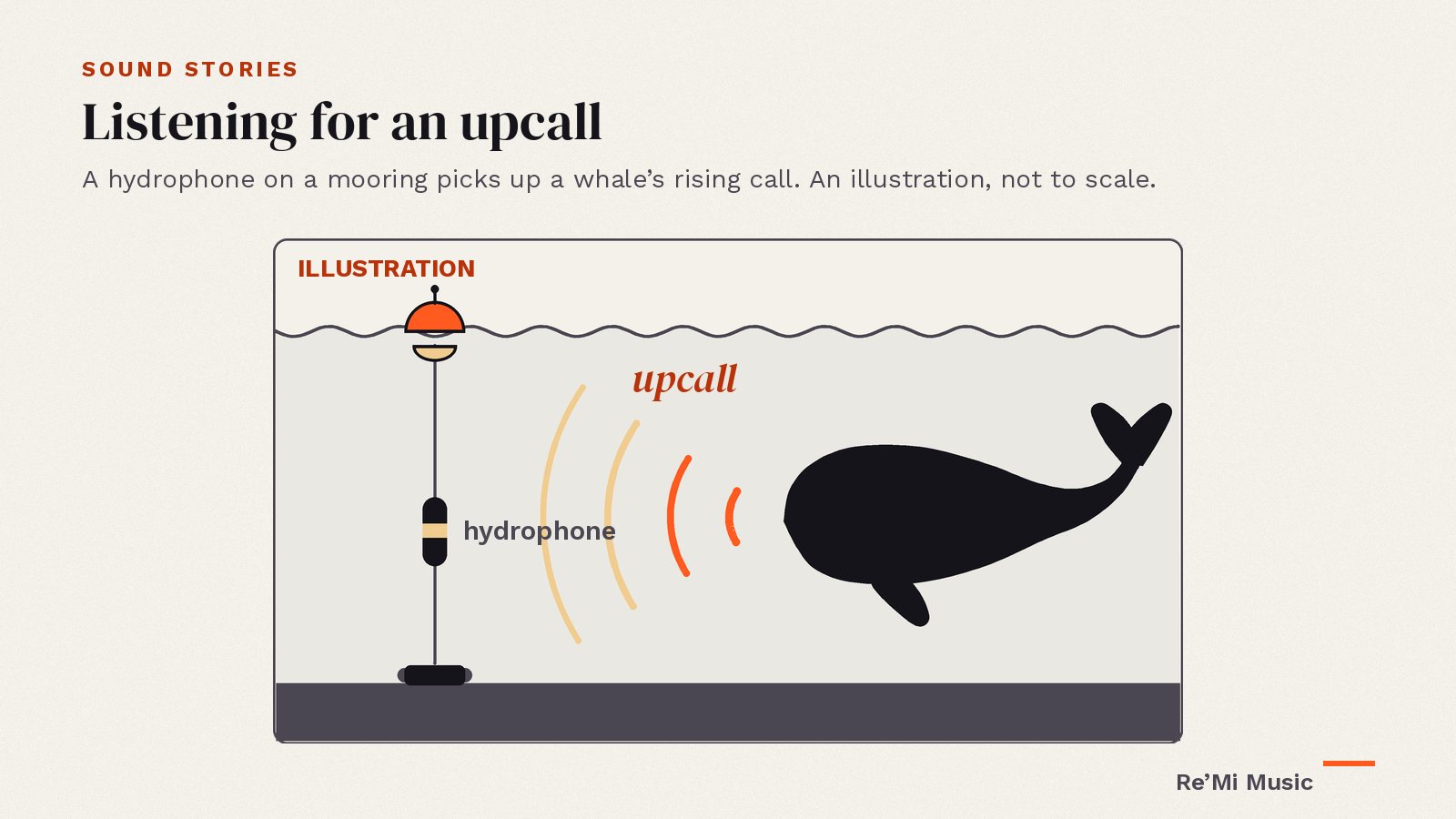
Listening for the quiet
Sometimes the quiet on a recording says the most about how the ocean is doing.
Read the story →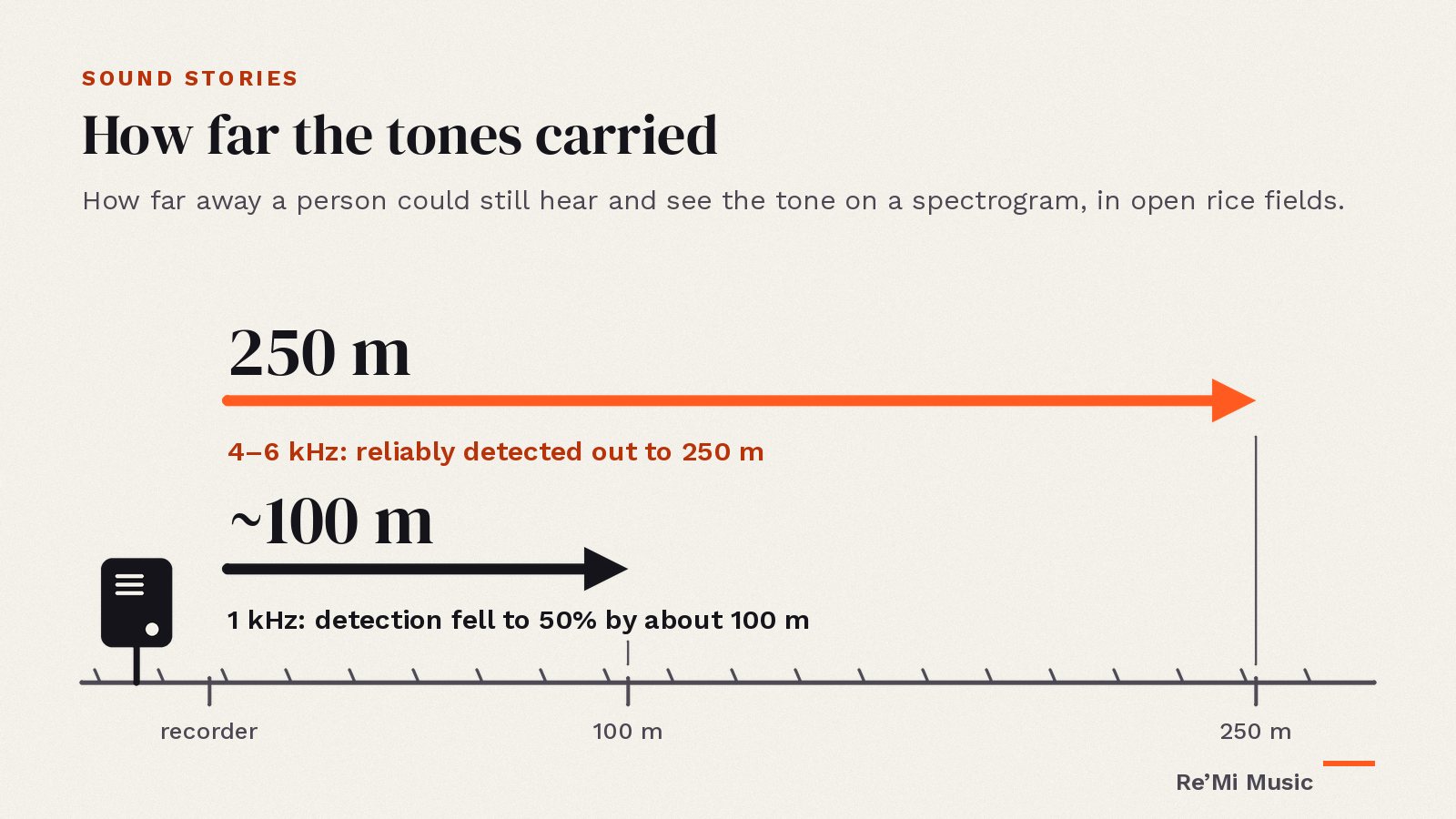
How far can a recorder really hear?
How far a recorder can hear depends on pitch and air, but most of all on which way it's pointing.
Read the story →What makes a scream scary?
A scary scream isn't about volume; it's the rough, strained edge in the sound that our brains read as real alarm.
Read the story →Feeling calm and being calm aren't quite the same
Music and pink noise may both feel calming, but early signs suggest your body responds more to music.
Read the story →Birds and humans sing by the same rules
A study of 350+ bird species and 52 human languages finds birds and people share the same song patterns, and the reason may be how we breathe.
Read the story →Floating on sound: how sound waves are cracking a static mystery
Scientists used sound waves to float tiny balls in mid-air, bump them together, and watch how static charge builds up.
Read the story →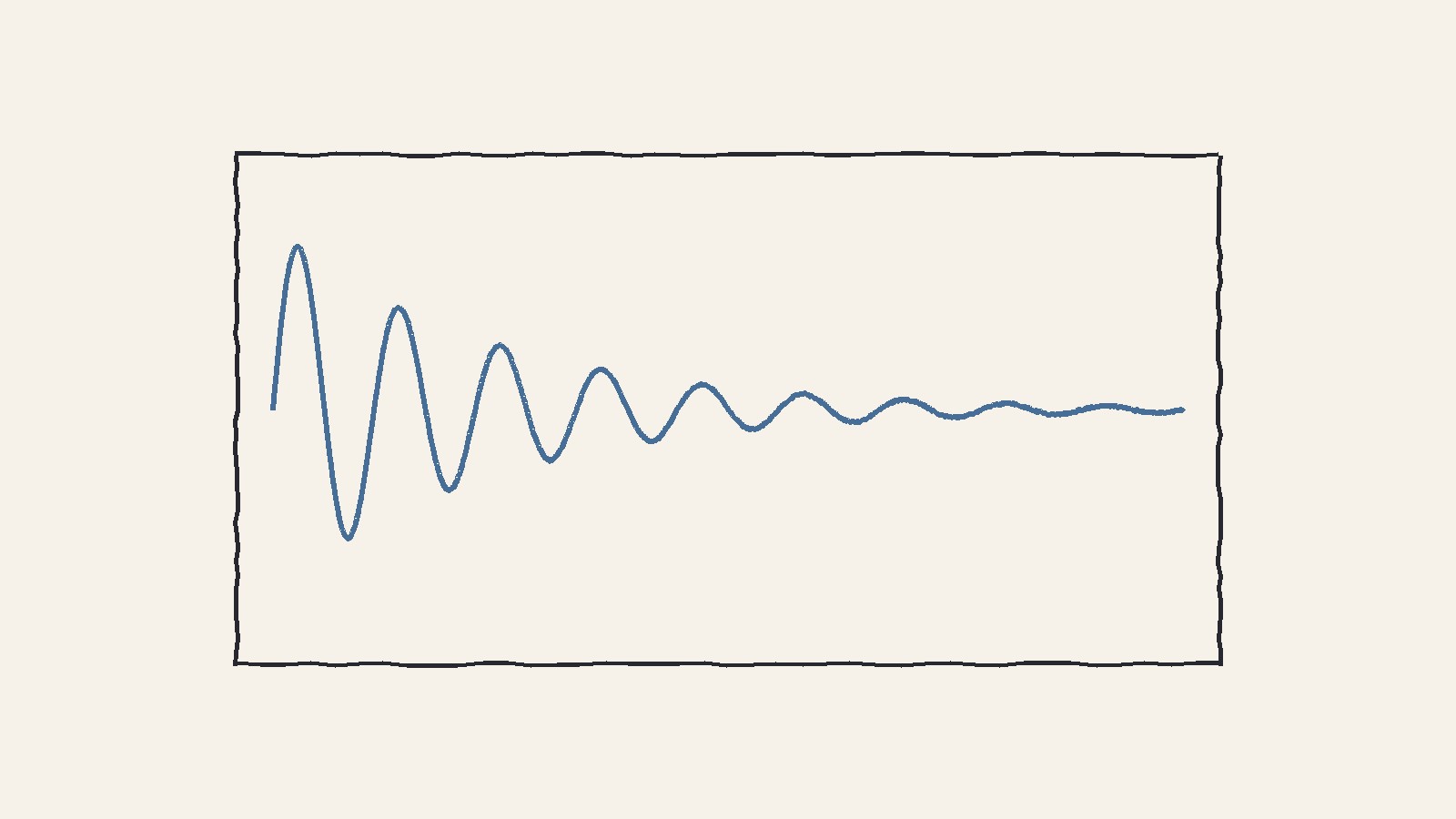
How long does a room keep a sound? A fresh look at reverb
A room's echo doesn't switch off the moment the walls absorb sound, and a simple new formula may predict it better than the old ones.
Read the story →